
Having problems committing those important guitar chord fingerings to memory? If you find yourself slowly recalling fingerings or constantly referencing a chord dictionary, you haven’t properly ingrained the chord into your muscle memory.
To fix this, we need to change how you practice guitar chords.
What is Muscle Memory?
Simply put, muscle memory is your brain’s process of turning fine motor tasks into an automatic process. Think about tying your shoes or signing your name; you don’t think about the individual movements anymore. Your hands just go to work.
When you practice guitar chords effectively, you are hitting the “save button” on your technique. This frees up your mental bandwidth so you can focus on the music—or ducking a beer bottle thrown at you during a gig!
The 30-Second Drill
Once your chord sounds exactly the way you want—no buzzing, no muted notes—it’s time to train your hand to find that position every time.
- The Death Grip: Take the chord and press into the notes much harder than you normally would.
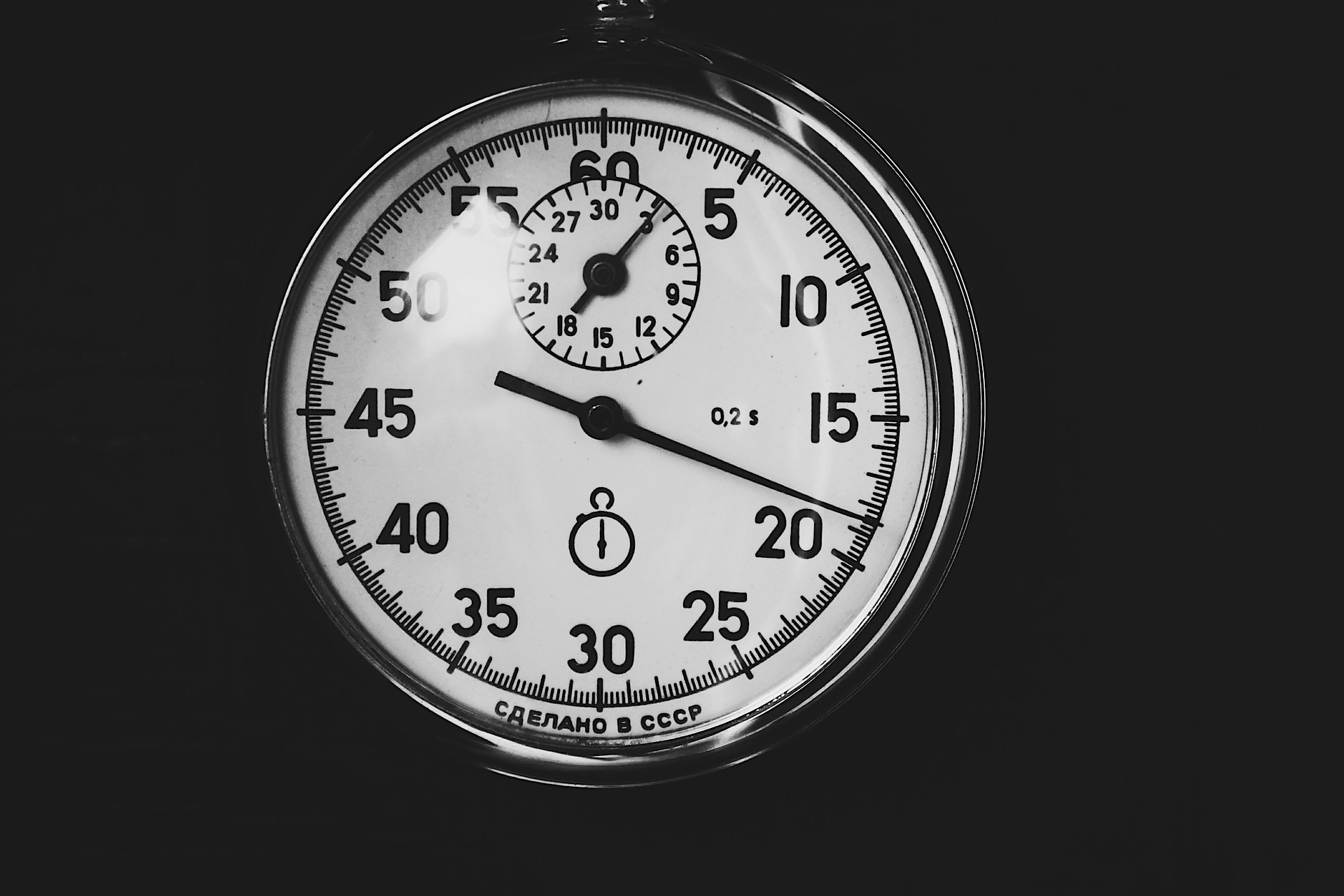
- The Hold: Set a timer and hold that “death grip” for 30 seconds.
- The Snapshot: While holding, take a mental snapshot of the hand position.
- The Release: Shake your hand out and repeat.
This sends a high-priority signal to your brain: “This is important; keep this on tap.”
Frequency Over Duration: The Forgetting Curve
19th-century psychologist Hermann Ebbinghaus proposed the “Forgetting Curve.” It shows that we forget new information at an exponential rate unless we reinforce it.
To make your practice guitar chords stick:
- The 3-Day Rule: Reinforce the new chord for at least three consecutive days.
- Consistency is King: Five minutes of practice every day is better than a two-hour marathon once a week.
- The “Commercial Break” Trick: If you see your guitar in the corner and have 30 seconds to kill, do the drill!
Avoid “Garbage In, Garbage Out”
Your muscle memory doesn’t distinguish between right and wrong notes. If you practice a chord with sloppy, dead notes, your brain will memorize that sloppiness. Be critical in the initial stages. Make sure the programming is perfect before you hit “save.”
Try the Drill at The Music Cafe in Mukwonago
While this muscle memory drill is something you can do at home, there is no substitute for getting real-time feedback on your hand posture and finger pressure. If you’re a guitar player here in Mukwonago, come visit me for a lesson at The Music Cafe. We can work through these 30-second intervals together to ensure your “death grip” is actually targeting the right muscles without causing tension. Plus, I can check your guitar’s setup right there in the shop to make sure high action isn’t the reason those chords are so hard to memorize!
Master Your Technique with Live Coaching
While drills help, having a professional eye on your hand position can prevent bad habits from becoming permanent. In my online guitar lessons, we troubleshoot your physical technique in real-time to ensure your muscle memory is working for you, not against you.